
How much of yourself can you give away before you begin to mistake what remains for all that you are? At what point do the roles we inhabit become part of the way we see ourselves?
We can spend an entire day being everything everyone needs and still go to bed feeling far from ourselves.
We are daughters, partners, mothers, professionals. We remember the birthdays, anticipate needs, keep promises, answer the messages, buy the groceries and hold things together. Often we know what needs doing before anyone asks. Somewhere between “I have to” and “I’ll take care of it,” another day disappears. We call it love, responsibility, maturity. Much of the time, it is.
At the same time… What do I want? What do I want today?
(Here is a journal for this question…)
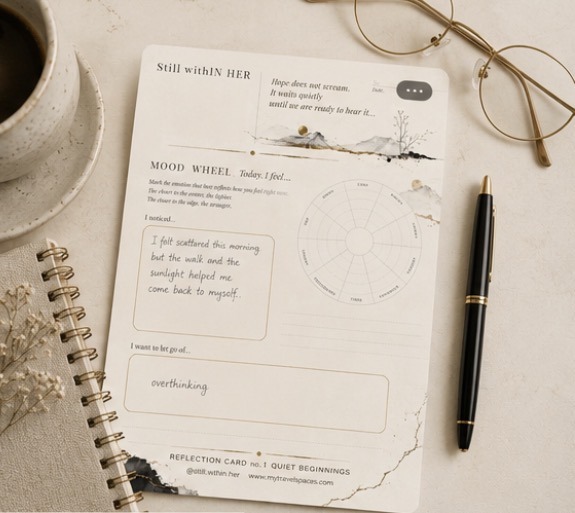
What we want does not stay still. One morning, motherhood feels like the most meaningful thing in the world; by evening, we long for a little space of our own. We can love a partner and still want to be alone. We can take pride in our work and wish for more time for ourselves. Our circumstances change, and so do our needs. (
Sometimes a role that once made us feel complete begins to feel heavy. Sometimes it is a role we genuinely want, but have not yet found our own way of inhabiting. There is a difference between not wanting something and not knowing how to find your place within it. Most of the time, we never stop long enough to tell which one it is.
What do I want?
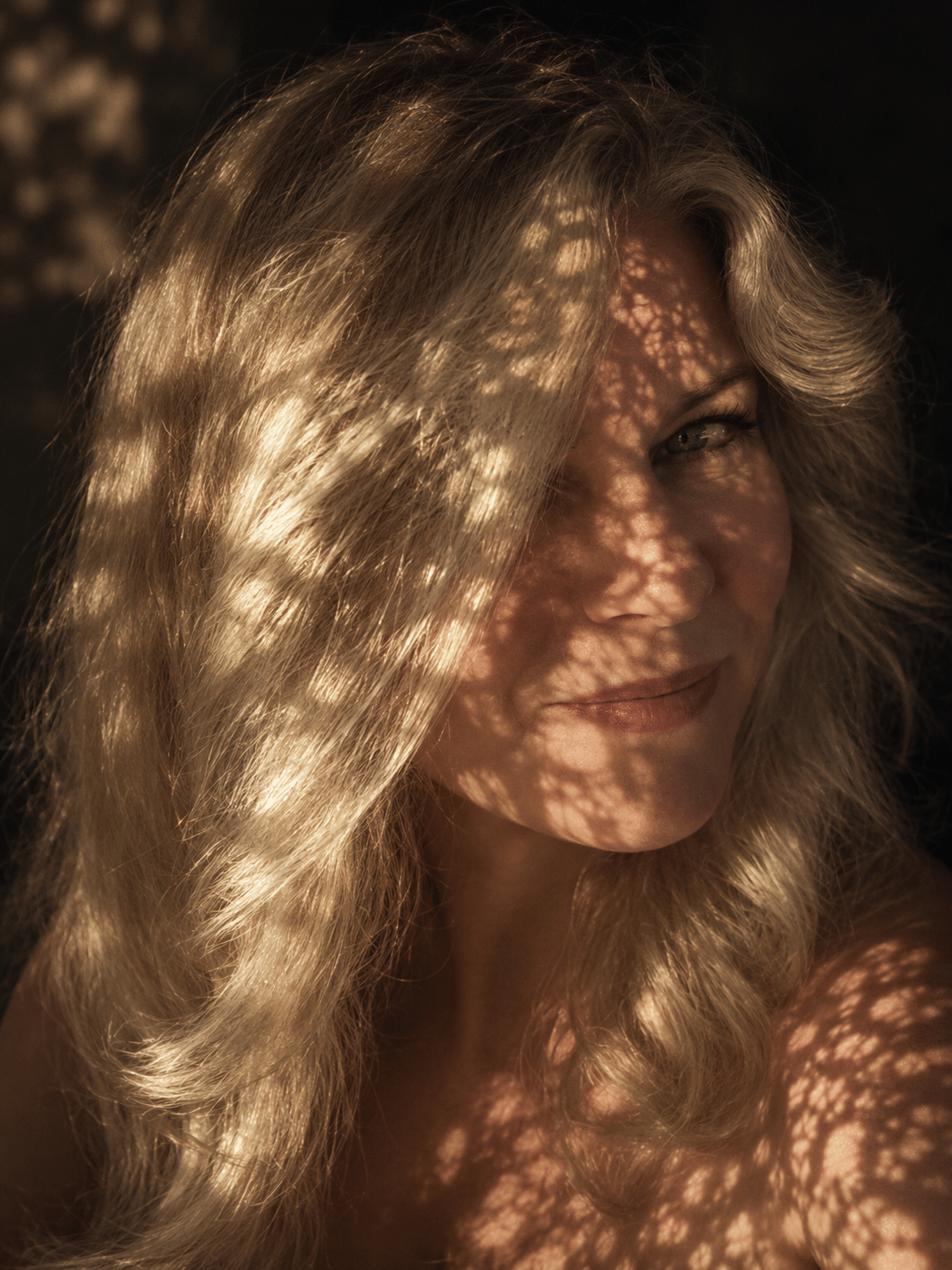
Beauty is rarely only about beauty. In a relationship, it quickly becomes about desire: being chosen, wanted, noticed. Many women learn early that beauty is a language, and that being desired is one of the clearest ways of being seen. There is pleasure and real artistry in that language. There is also a quiet pressure to stay fluent in it while being everything else. Desire and knowing are not the same thing. Desire responds to what it sees. Knowing asks for more: attention, courage and acceptance, even of what we did not hope to find. It looks at what desire cannot see: the humour, the tiredness, the opinions, the fear, the part of us that is not dressed for anyone. A woman can be admired for years and still go unknown.
So here is a question: if nobody were going to look at us, which parts of our appearance would we still choose, and which would quietly fall away?
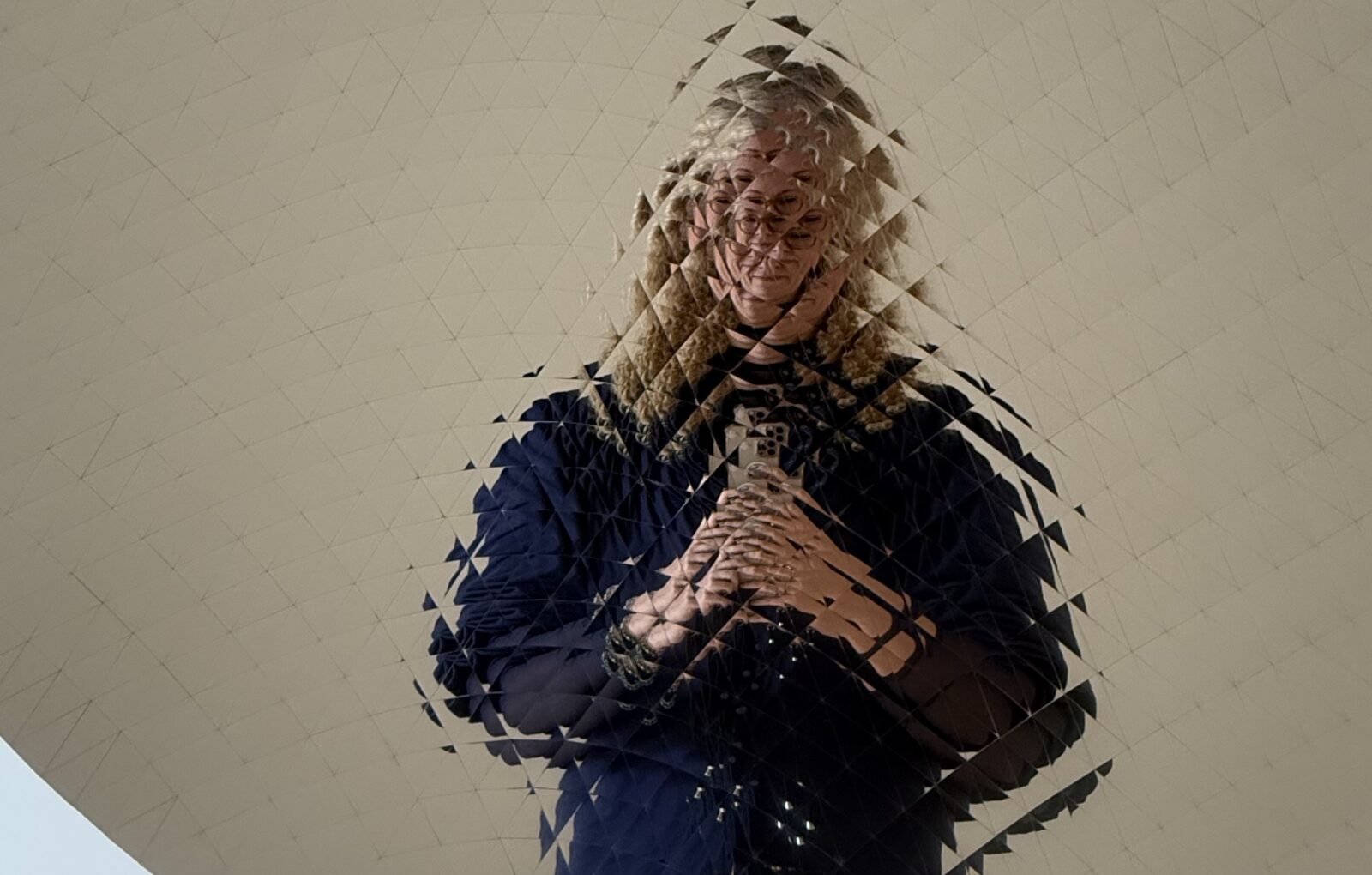
The same woman is often needed in one room and desired in another. As a mother, she is needed. As a partner, she is expected to be desirable and desiring. As a professional, she is trusted; as a daughter, she is expected to be there. And a woman who holds all of that together is assumed to cope. Coping is easily mistaken for not needing anything. We can be relied on, admired and wanted, and still not be looked after.
I came to these questions through my own life. When I became a mother, everyone told me I would have to change everything: how I travelled, how I worked, how I lived. I never doubted that I would give my children everything. What I doubted was whether giving up all of that would make me happy, and whether my children would feel it if it did not.
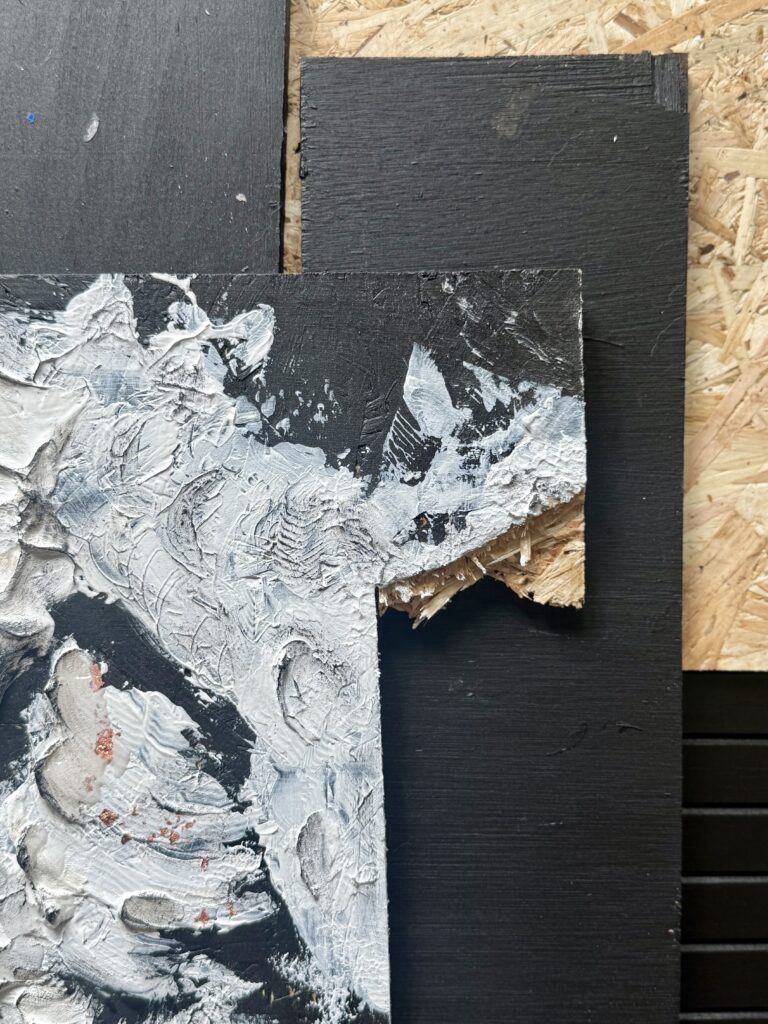
The Polish writer Witold Gombrowicz believed that we are not made alone. Other people fit us with a face, and we begin to wear it.
This is why I think of identity as a system of layers. Not because every layer is false, and not because a truer woman waits beneath them. I do not believe there is one untouched woman under it all. She is not hidden beneath the layers; she is the one who can notice them.
Every relationship hands us a face. The mother’s face is patient and available. The partner’s is attentive and desirable. The professional’s is composed. The daughter’s is loyal. Each is real, and each asks something different of us, often the opposite of what the others ask. One is meant to hold everything together, another to be held. In a single day we move through half a dozen of these relationships, changing faces faster than we notice, until we forget that we are the one moving between them.
This is what matters most to me: the process.
Change itself is not the answer. Change can be for the worse, and changing everything because we are told to is no freer than changing nothing out of habit. What turns a life into a choice is the pause before it.
In that pause, a layer can be tried on again, the way we try on a coat before buying it.
Does it still fit? Where did it come from, and who handed it to me? What does it give me, and what does it cost? Do I wear it because I chose it, or because it is familiar?
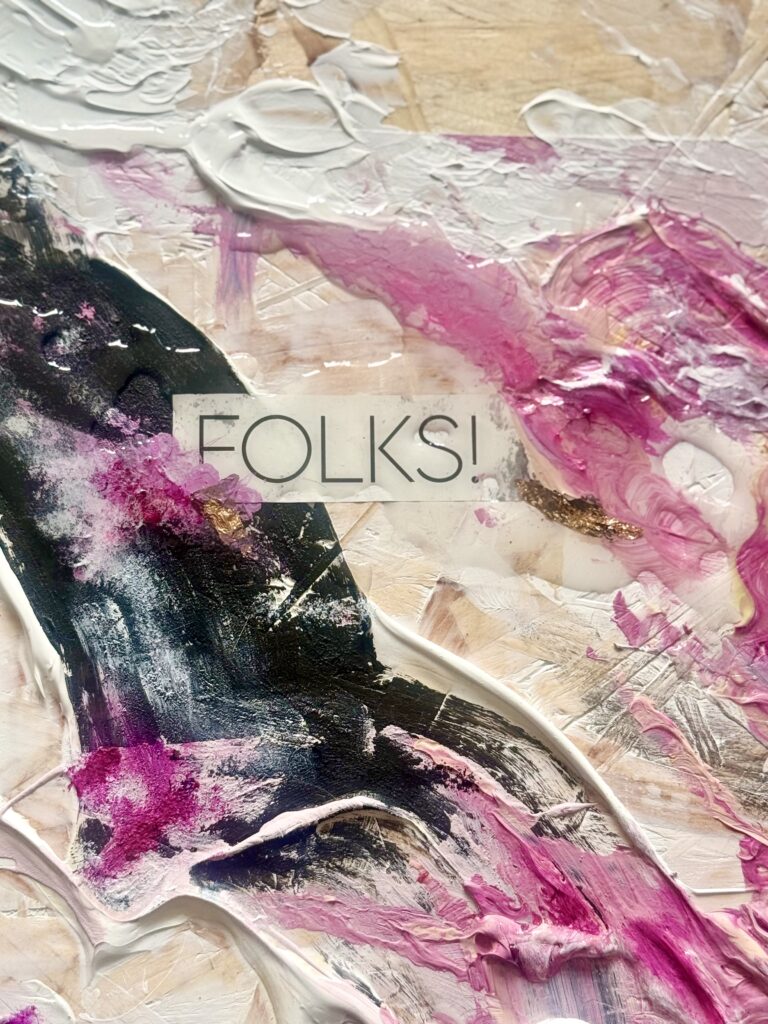
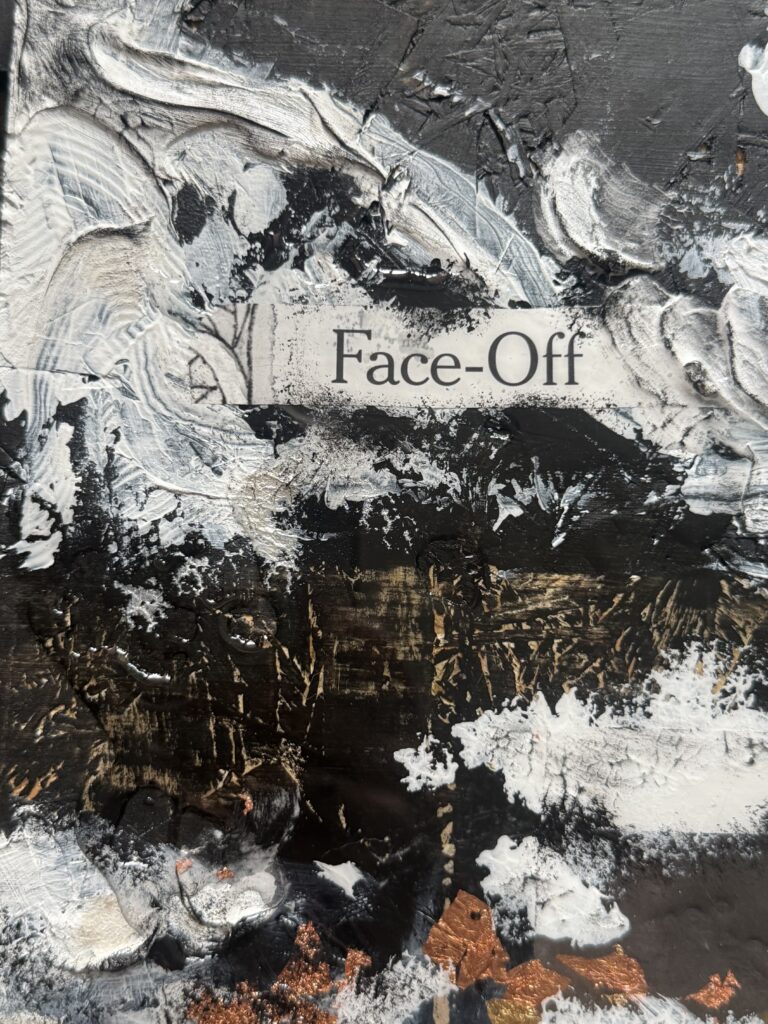
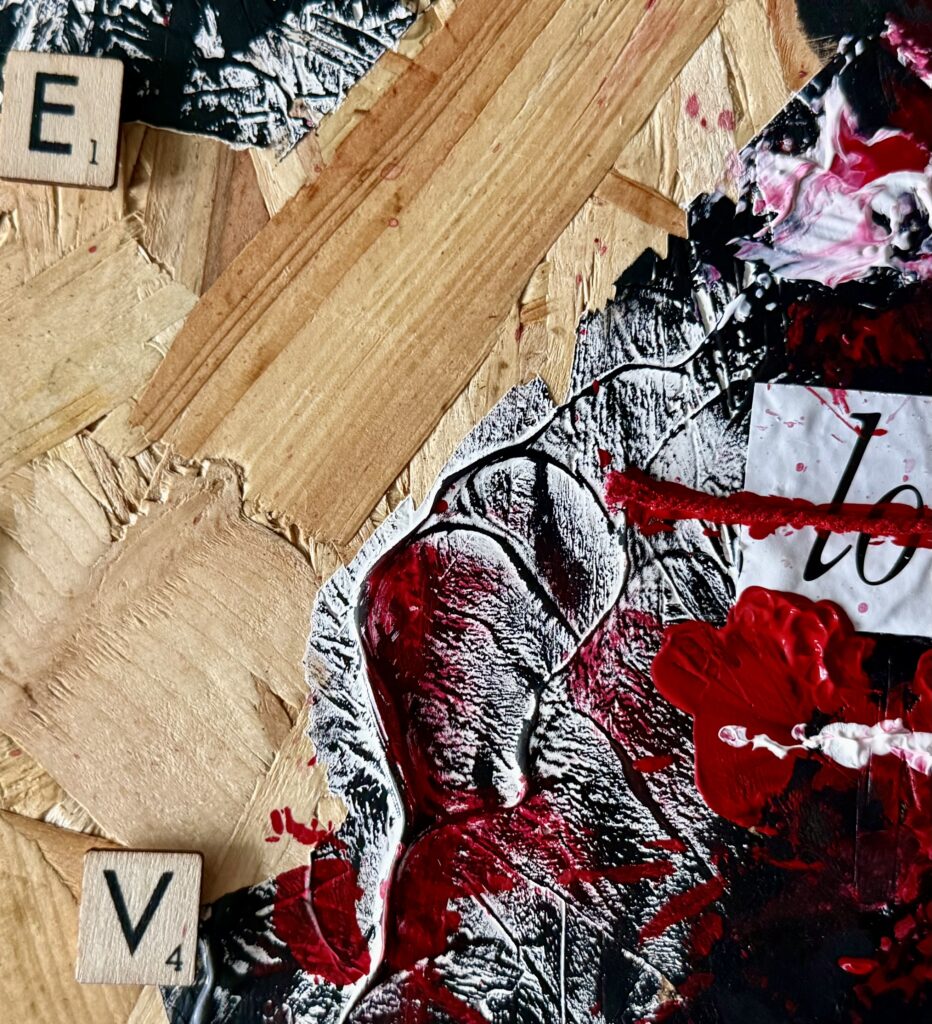
Knowing may lead to change. It may lead to a small adjustment, a boundary, a different way of inhabiting the same role. Sometimes it means setting a layer down to make room for a new beginning. It may also lead us to keep everything exactly as it is. That is not the same as before, because a life chosen knowingly feels different from a life inherited. We are no longer carrying a role. We are choosing it. That is where, for me, freedom begins, and the people closest to us can feel the difference.
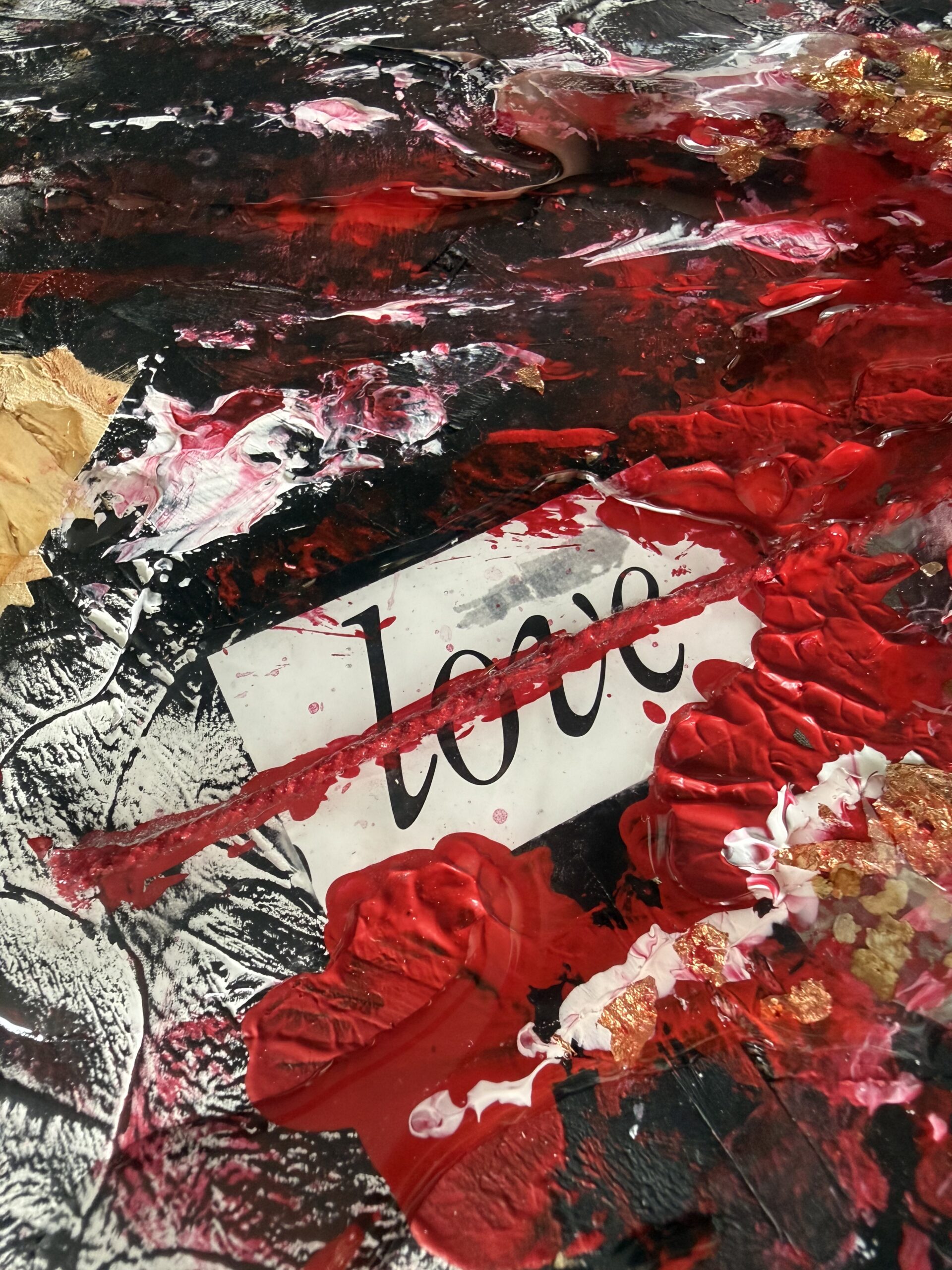
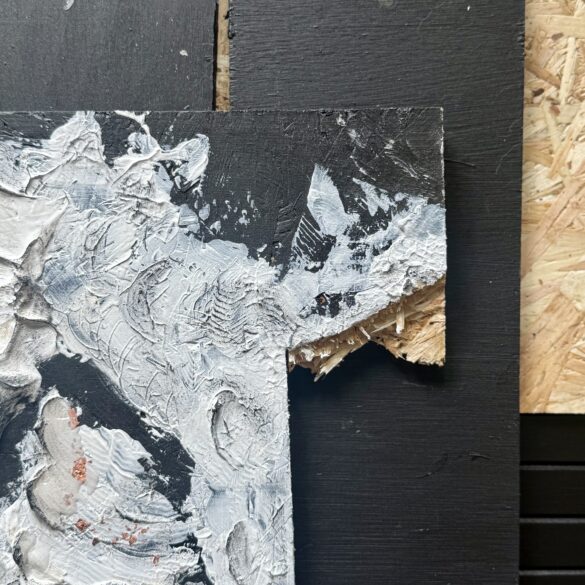
In my work, I explore this through discarded objects, fragments of newspaper and text, photographic imagery, raw wood, paint, resin and gold. Materials carry their own histories. They conceal and reveal, protect and expose, hold beauty and show what they have been through. Much like us.
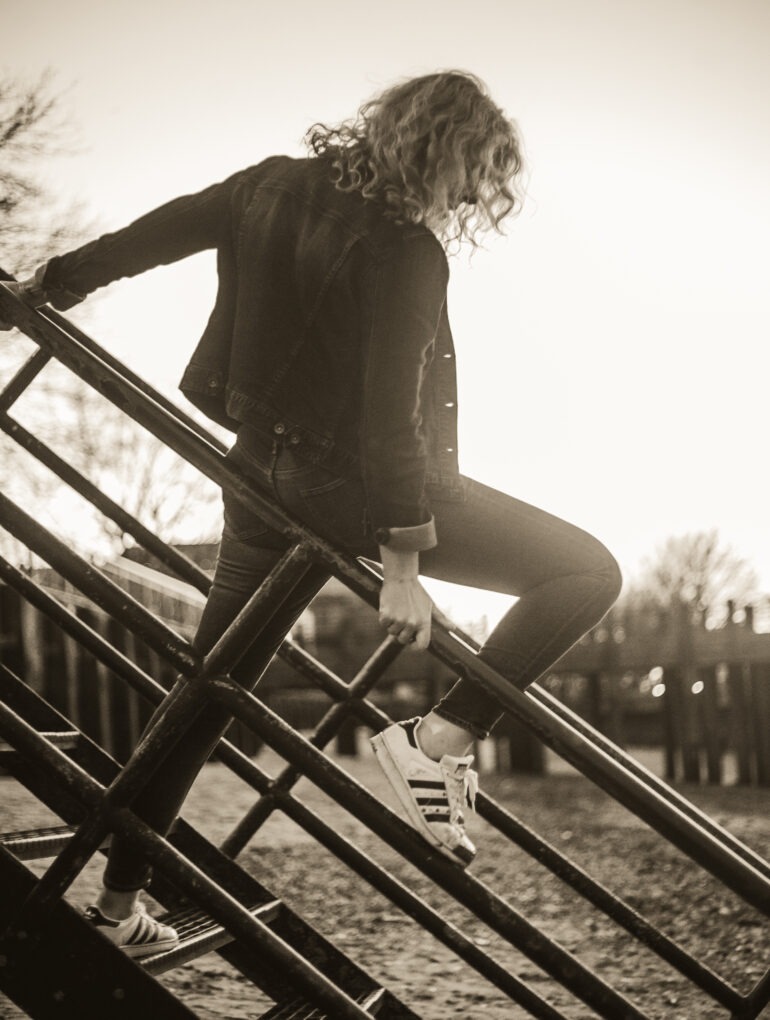
I do not tell anyone what to do. I do not advise, and I do not promise a better version of anyone. I invite a pause: to look at our layers, to notice which ones feel right and which ask too much of us. The decision is yours.
You don’t have to answer today…
_______________________
P.S.

6 Comments
Leave a Comment

Hi Aggi,
Love how you talk about layers within us and how all of us women are constantly trying to keep everything going and everyone happy totally forgetting about ourselves. We often become invisible but only seen through the chores we do or results others see . It’s so easy to loose ourselves and be defined as a mother , wife or professional. It’s so easy to forget our dreams and hopes but simply settling on whatever we get . I wish I could go back to the other me, the one who had wild dreams . Simply be me . Maybe one day…
Thank you Marta for sharing this so openly.
What you describe is something many of us recognise: being seen through what we do rather than who we are.
I don’t think the woman with the wild dreams is gone… She may simply be waiting for a little room. Maybe one day can begin with one small pause. You’re always welcome here…
Very lovely and well put together
Thank you Gill, that means a lot! You’re always welcome to look around. There is more waiting in the Inner Journey.
Amazingly written and so thought out and genuine. It really resonated with me!
Love your creativity and eloquence! To make complicated dynamics seem so simple. That is an art in itself!
Thank you Sarah, what a generous thing to say. Making complicated things feel simple is exactly what I hope for, so this really means a lot. I’m so glad it resonated. There’s more of this world waiting in The Missing Layer and the Inner Journey, and you’re warmly invitedanytime!